





For many rural landowners, subdivision presents an opportunity to unlock the value of their property, create additional lifestyle blocks, or plan for future development. While the concept can seem straightforward, the process involves careful consideration of planning regulations, environmental factors, infrastructure requirements, and long-term land use objectives.
Understanding these factors early can help avoid costly delays and ensure your project achieves the outcome you're looking for.
Every Successful Subdivision Starts With a Plan
Before any applications are lodged or boundaries are surveyed, it's important to understand what you want to achieve from the subdivision. Some landowners are looking to create additional lots for future sale, while others may want to retain an existing home and create land for family members or future generations.
The feasibility of these goals depends on a range of factors, including zoning, access requirements, available services, environmental constraints, and district planning rules. What may be possible on one property may not be possible on another, making early investigation an essential first step.
Why Surveying and Planning Work Hand-in-Hand
Subdivision projects rely on both accurate surveying and sound planning advice.
Surveyors provide critical information about the property, including boundaries, topography, existing structures, easements, and infrastructure. This information helps establish what is physically achievable on the site.
At the same time, planners assess how a proposed subdivision aligns with district and regional planning requirements. They identify potential constraints, prepare resource consent applications, and work through the regulatory process on behalf of landowners.
When these disciplines work together from the beginning, projects are often able to progress more efficiently and with fewer surprises.
Navigating the Resource Consent Process
Most rural subdivisions require resource consent from the local council. While this process can appear complex, it exists to ensure developments are appropriate for their location and do not create adverse effects on the surrounding environment or community.
A resource consent assessment may consider factors such as:
- Environmental impacts
- Flooding or natural hazards
- Geotechnical conditions
- Cultural and heritage considerations
- Infrastructure and servicing requirements
- Effects on neighbouring properties
Preparing a comprehensive application helps councils assess proposals efficiently and can significantly improve the likelihood of a smooth approval process.
A Practical Example From Pahiatua
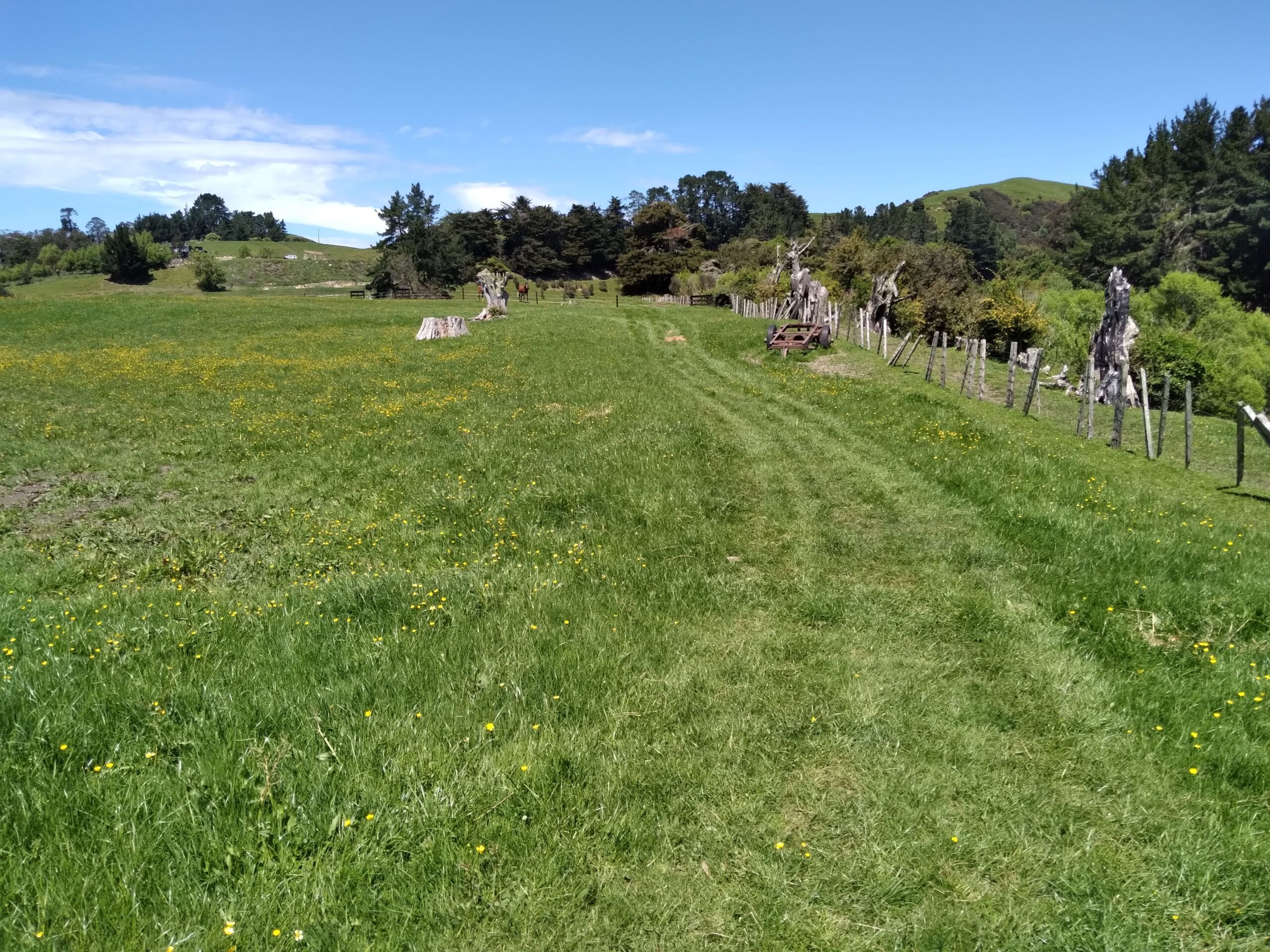
A recent project on the outskirts of Pahiatua highlights how careful planning and surveying can help landowners achieve their goals.
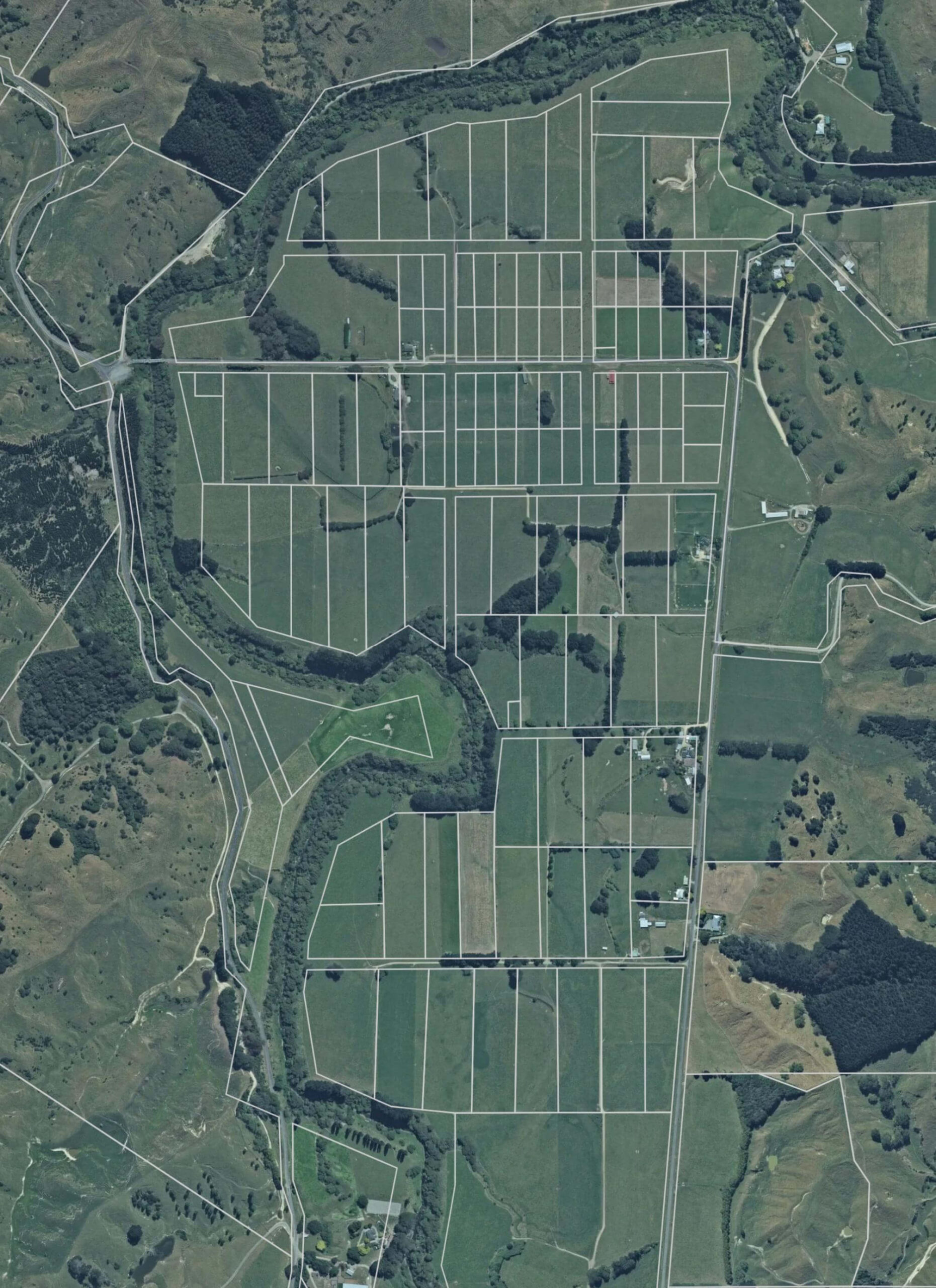
The property consisted of ten historic titles that originated from the planned township of Ngaturi, a settlement that was never fully developed. The owners wanted to retain their existing home and ancillary buildings while creating additional rural lifestyle blocks that could be utilised or marketed in the future.
The project required a detailed assessment of planning requirements, environmental considerations, cultural significance, geotechnical conditions, and flood risk. Following approval from the Tararua District Council, new boundaries were surveyed and pegged on site before plans were lodged with Land Information New Zealand to create six new titles.
The outcome delivered a practical subdivision solution that respected the rural character of the area while maximising the potential of the land.
Seeking Advice Early Can Save Time and Cost
One of the most valuable steps in any subdivision project is engaging planning and surveying professionals early in the process. Early advice can help identify opportunities and constraints before significant investment is made, allowing landowners to make informed decisions with greater confidence.
Whether you're considering a small rural subdivision or exploring the development potential of a larger property, understanding what's possible from the outset can help create a smoother path to a successful outcome.
Considering a Rural Subdivision?
Every property has its own opportunities and challenges. By combining surveying expertise with planning knowledge, landowners can gain a clear understanding of what is achievable and how best to navigate the subdivision process.
If you're considering subdividing rural land, seeking professional advice early can help turn an idea into a practical and achievable development plan. Our team is here to help. Contact us to start the conversation.